AUSMUN XI Committees
2026 Background Guides
If you have any questions regarding the background guides please contact our undersecretaries of policy and crisis.
-
Child Marriage
Child marriage has been a practice for many people throughout history, and it is still an issue that is prominent in many places today. This practice is seen by many as systematic oppression that is especially hurtful for women. It is said to be driven by poverty and fueled by the patriarchy. While some view it as unacceptable, many cultures still see it as an important custom or tradition. This practice can lead to devastating effects, especially regarding the health and safety of young women. Delegates should discuss the systemic effects that the practice of child marriages has regarding human rights, as well as how countries should take action.
Chair: Tessa Koster
-
Global Fentanyl Epidemic
In the past three decades, fentanyl related deaths have faced an extreme rise. The most extreme effects of overdosing on fentanyl include coma or respiratory failure, often leading to death. The illegal creation and transportation of the drug across illegal markets has made it increasingly accessible at a rapid pace. While the drug was originally created as a painkiller, the increased access has made it one of the leading causes of death for multiple nations. Nations around the world have been doing what they can to combat this issue. This committee must discuss and collaborate on what actions should be taken regarding this rising epidemic.
Chair: Bailey Moore
-
Human Trafficking
Over two million people worldwide are victims of human trafficking. Human trafficking is the forced exploitation of labor and/or sexual acts, and it is a form of modern-day slavery. Human trafficking has become an increasingly profitable crime, leading to the spread of this inhumane practice at an alarming rate. This violation of human rights demands urgent action from the UN, and delegates must decide on a course of action regarding this issue.
Chair: Maddie Smith
-

Global regulation of Marijuana
Marijuana is something that has been used for many purposes in many places throughout history. In many places and cultures, it has been used as a medicine to treat pain. It was later introduced as a therapeutic treatment in Western medicine. It's been used for both medical and recreational purposes, and the sentiments surrounding the drug vary from country to country, but prohibition remains common in many parts of the world. Governments that supported prohibition emphasize concerns about public health, addiction, and social control, leading to stricter laws over time. Today, this tension between traditional use and modern regulation continues to shape global debates on cannabis policy.
Chair: Chloe Link
-
Global Narcotics Trade
Drug Cartels and Global Narcotics trade has been a long-standing issue that has plagued many country’s security with corruption and violent crime. These cartels have high levels of authority and power over many Latin American nations, and can also cause issues for other parts of the world through the illegal trading and transportation of drugs. This can cause high rates of overdose epidemics in many places. This issue is especially pressing due to the rise of synthetic drugs, which can often be far more dangerous than traditional narcotics. It can be difficult for many nations in Latin America, the Middle East, and Africa to address this issue individually, because some of these nation’s governments are connected with drug organizations. This is why it’s important to discuss this issue, and find global solutions and tactics.
Chair: Alex Faulk
-
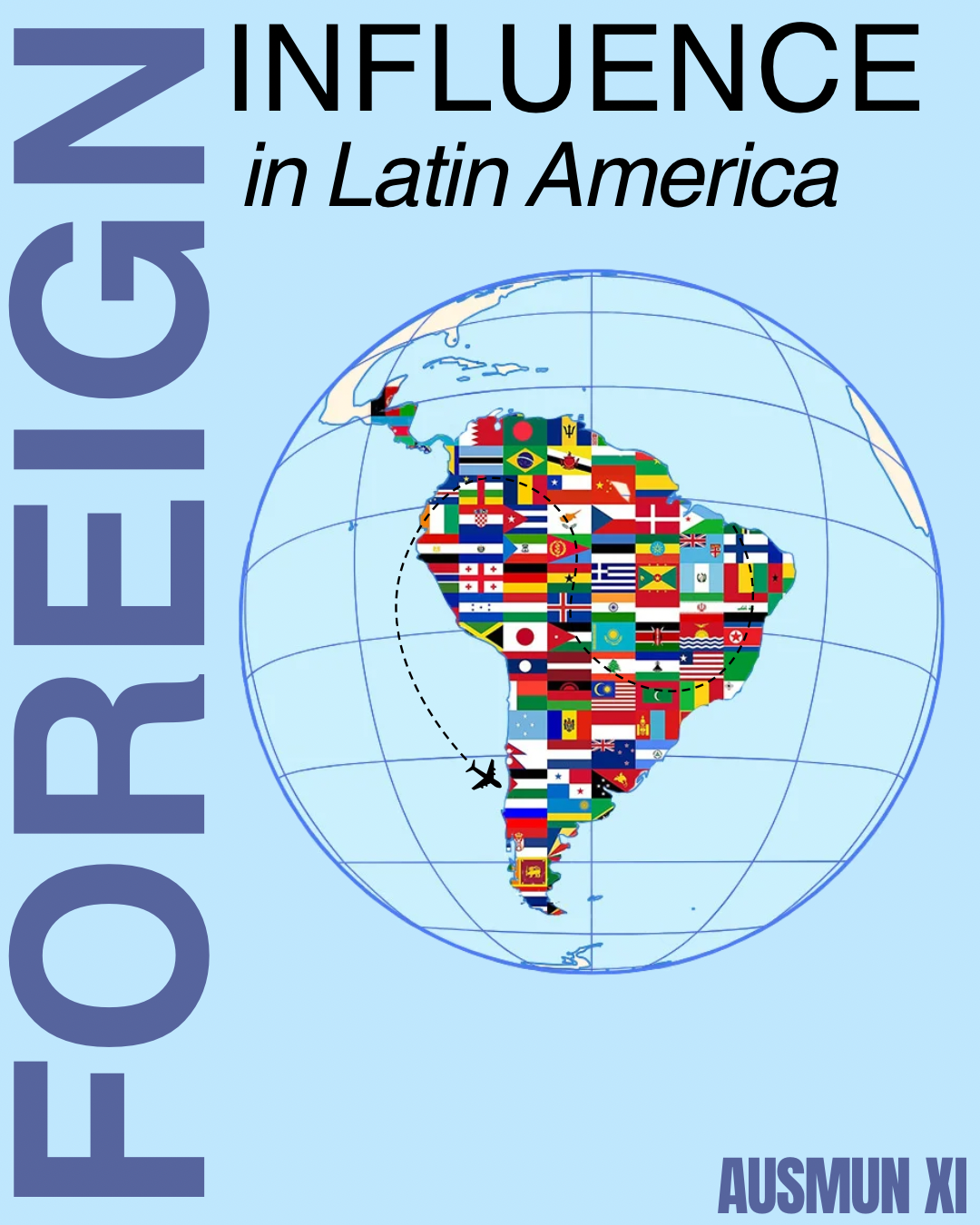
Foreign influence in Latin America
Many Latin American countries have strong institutions and governments, others are weaker, and many are plagued by corruption and years of colonial exploitation that has lasting impacts to this day. Exploitative actions by colonial powers have had major effects on all who have lived, and who currently live, in Latin America. Some nations see the systems in Latin American countries as a means of something to be fixed. This has led to the involvement of foreign nations in Latin American affairs, regarding leadership, security, and trade. While these foreign nations have often claimed to be helping these Latin American nations, there have been debates raised about the true motives behind this foreign involvement. It is important to discuss what protections and regulations should be places in regards to the foreign influence in Latin America, to ensure that sovereignty is upheld.
Chair: Brynn Tidmore
-
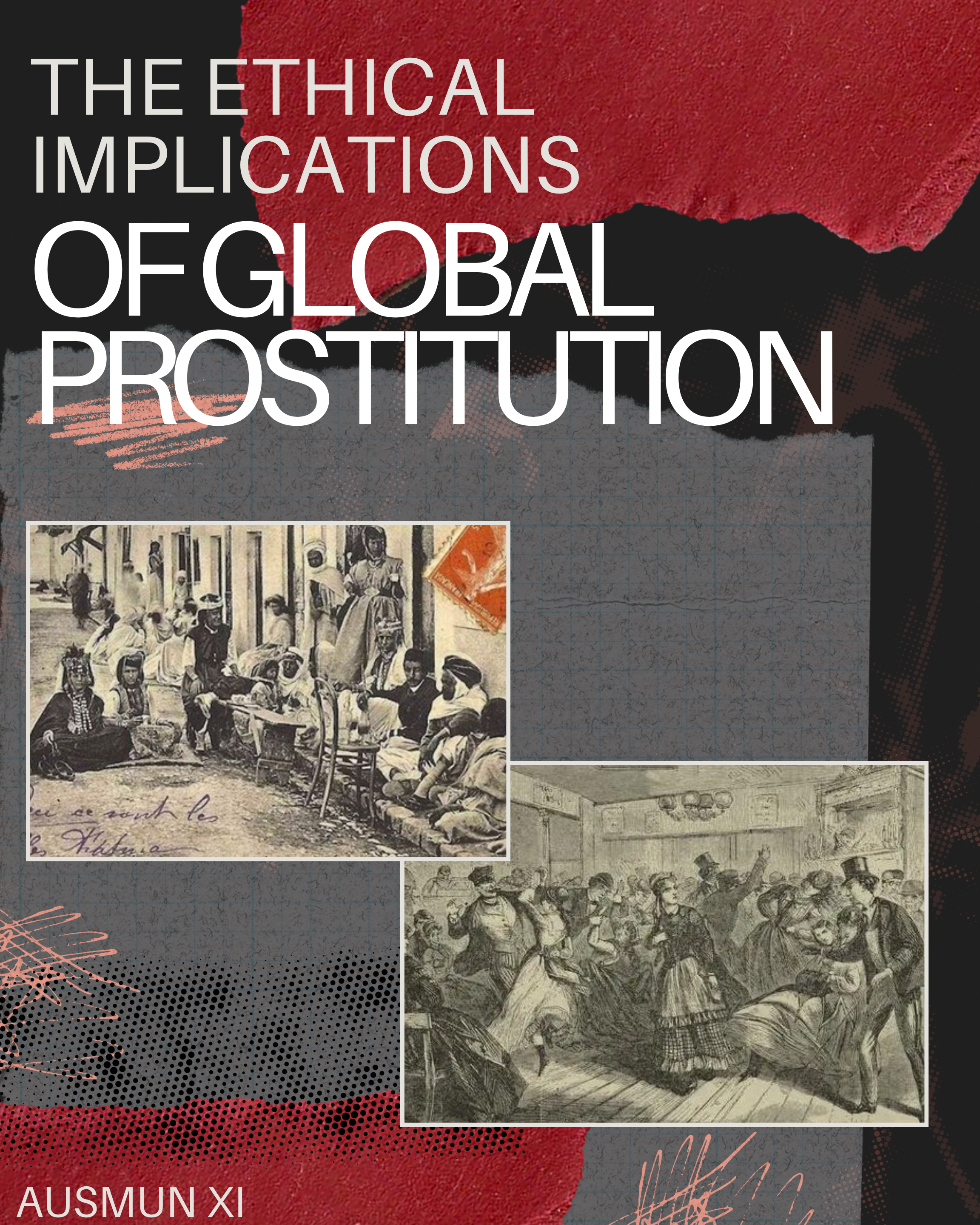
The Ethical Implications of Global Prostitution
The ethical implications of sex work are especially important to talk about right now because the way the industry operates is rapidly changing. Laws are being debated and rewritten in many countries, with some governments moving toward the legalization of prostitution, while others are actively increasing criminal penalties. At the same time, the progression of technology has enabled the expansion of the industry to the internet. Consequently, allowing for a bypass in countries in which prostitution is illegal. Therefore giving rise to debates surrounding the ethicality of online sex work. Social media private messaging applications and digital payments systems have made it easier for people to work independently, but they have also made it easier for trafficking networks to operate across borders. This issue requires the perspective of all nations to be shared, so that the UN can work towards solutions that uphold the rights and goals of the UN.
Chair: Jane Waggoner
-
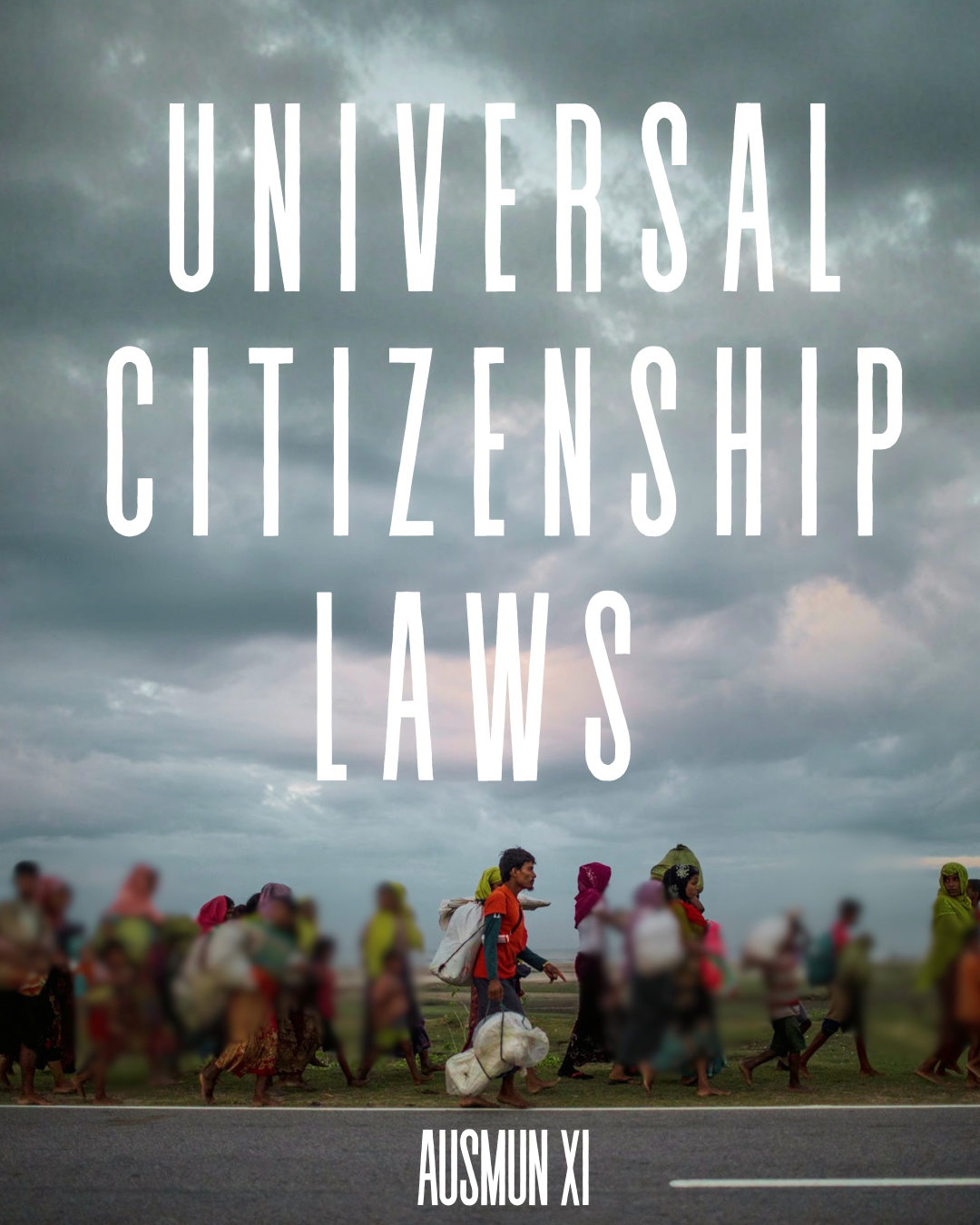
Universal Citizenship laws
In this day and age, global migration is happening more rapidly than ever. Work, education, family, or economic opportunity give people many reasons to relocate. With over 304 million in 2024 now is the time to decide whether or not worldwide standards should be set. With population caps in some nations and mass deportations in others, immigration is on the collective mind. This committee will be discussing and analyzing the various laws, requirements, and processes in place to gain citizenship in different countries around the world, and debating whether a universal set of rules for gaining citizenship would be beneficial or not.
Chair: Eleanor Dyer
-

Monarchies in the Modern Age (novice room)
As the modern world constantly moves towards democracy and equality, many believe that it has outgrown its ancient power structures, one of these being monarchical rule. In questioning the morality of lineage-based rule, delegates are forced to consider long-standing issues of race, colonialism, and democracy. Monarchies have persisted for thousands of years but have more recently shifted to democratized rule through hybridization, yet many do not consider this enough. As a result, many monarchies ended with rebellion. While this can be an effective way to foster change in government in some regions, many citizens living under monarchs do not have enough power to overthrow their leaders. On the other hand, those who succeed in overthrowing the monarchy leave a power vacuum that will leave the country worse than it started. The conversations held in this debate aim to openly discuss the role of monarchical governments in the 21st century and how that role may be changed or abolished as the world progresses into this modern age.
Chair: Charlotte Smith
-
Foreign Adoption of Children (novice room)
It has been commonly recognized that migrant children endure the burdens of being separated from their families and communities during times of war, natural disasters, immigration instances, and other unforeseen circumstances. This led to the rise of international adoptions in the mid-20th centrury, due to war and displacement. While it is based around the idea of a humanitarian practice to help children of unstable countries, there are unintended consequences of this practice. During this process, children are vulnerable to exploitation, and commonly results in the trafficking of children. This committee will discuss how the UN should tackle the issue of foreign adoption.
Chair: Virginia Glass
-
Foreign Intervention in women’s rights
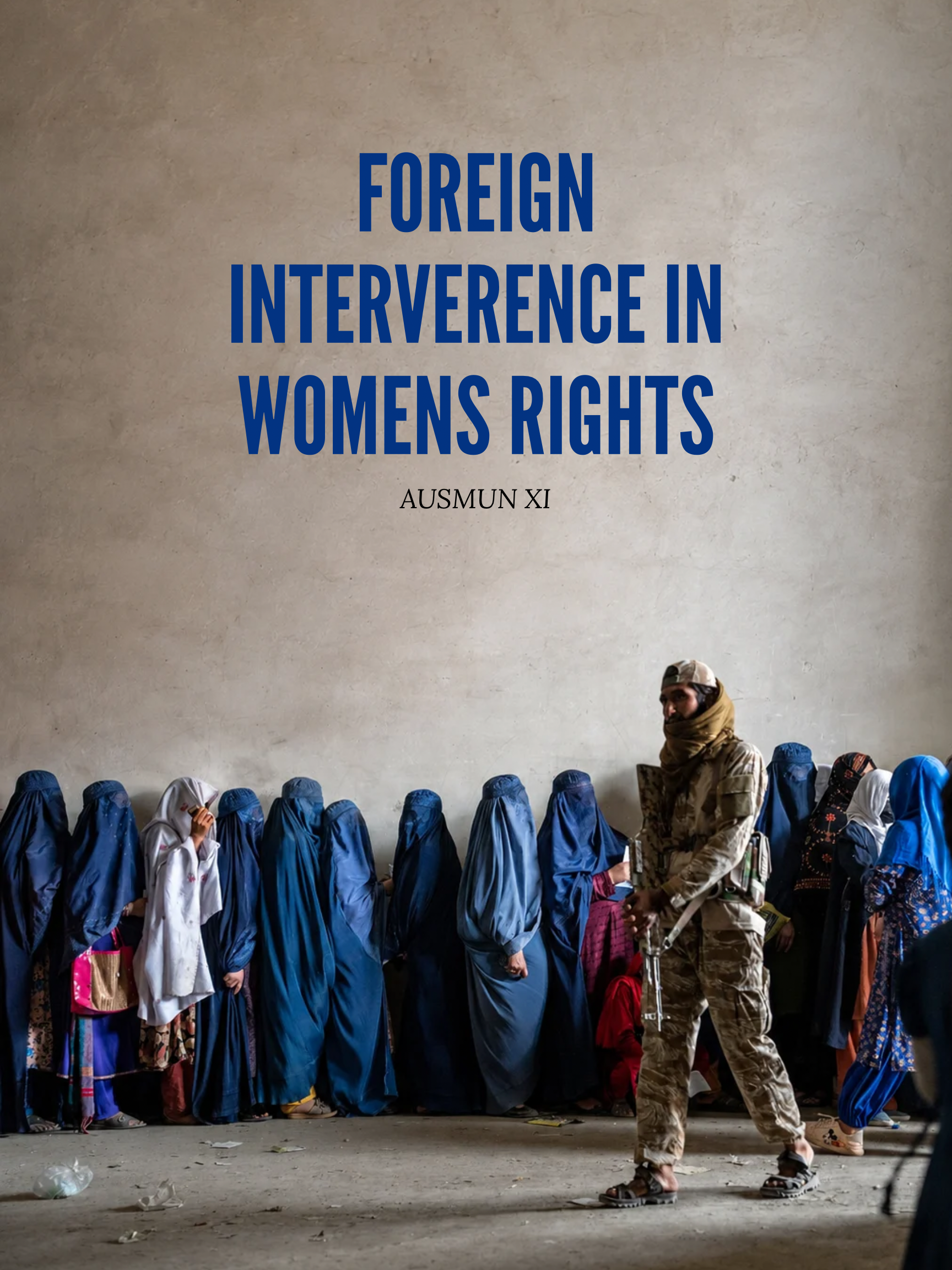
What role does national sovereignty play in women's rights? There are still large gender imbalances in every nation, however in some nations this gap is significantly more noticeable. While there are nations that undeniably violate the UN human rights regarding women, the question of what to do about this issue is heavily debated. Many nations believe it is their duty to help the women of other countries, however others argue that the way these countries want to do it is destructive, and violates national sovereignty. This committee must examine this issue and see all perspectives to find a way to take action.
Chair: Liv Vertuno
-
Free speech in the press
One of the main purposes of the United Nations is to advocate for and protect universal human rights. While there are many categories that this objective falls under, one of these issues is that of freedom of speech. The United Nations Declaration of Human Rights defines the freedoms of thought, association, religion, and speech as inalienable rights, and states that all humans should be able to express ideas and beliefs freely and without the risk of prosecution or persecution. However, even with these widely accepted definitions of human rights in place, many of the world’s nations still actively inhibit free speech rights. Regarding freedom of the press and speech, almost every country present in this debate has a definite position, and it is crucial that all nations must present their perspective and work together to find solutions.
Chair: Blake Sophia Bernstein